News & Trends
The Slow Revolution in Healthcare

AI detects cancer earlier than radiologists. Algorithms support people with chronic illnesses around the clock. Diagnoses that once cost a thousand Swiss francs may soon cost only a few cents. The healthcare system is the only part that has yet to catch up.
It is Friday morning at a health center in Spain. The waiting room is almost empty. One of the visiting Swiss hospital directors asks whether the center is operating below capacity. The director of nursing smiles. The center provides outpatient care to more than 20,000 people and is connected to a nearby hospital. Every morning, people with chronic conditions submit their health readings through an app. Anyone whose readings exceed the defined thresholds must come to the center within two hours. Everyone else remains at home.
Willy Oggier, a health economist and recognized expert on the Swiss healthcare system, witnessed this scene. In his view, the greatest obstacle is not technology. “Getting people to record their readings every day is more difficult.” That requires trust in digital healthcare. Without trust, it does not work. At the same time, the challenges are growing. The population is aging, more people require medical care, and qualified professionals are in short supply. Technology is essential for managing this development, but technology alone is not enough.
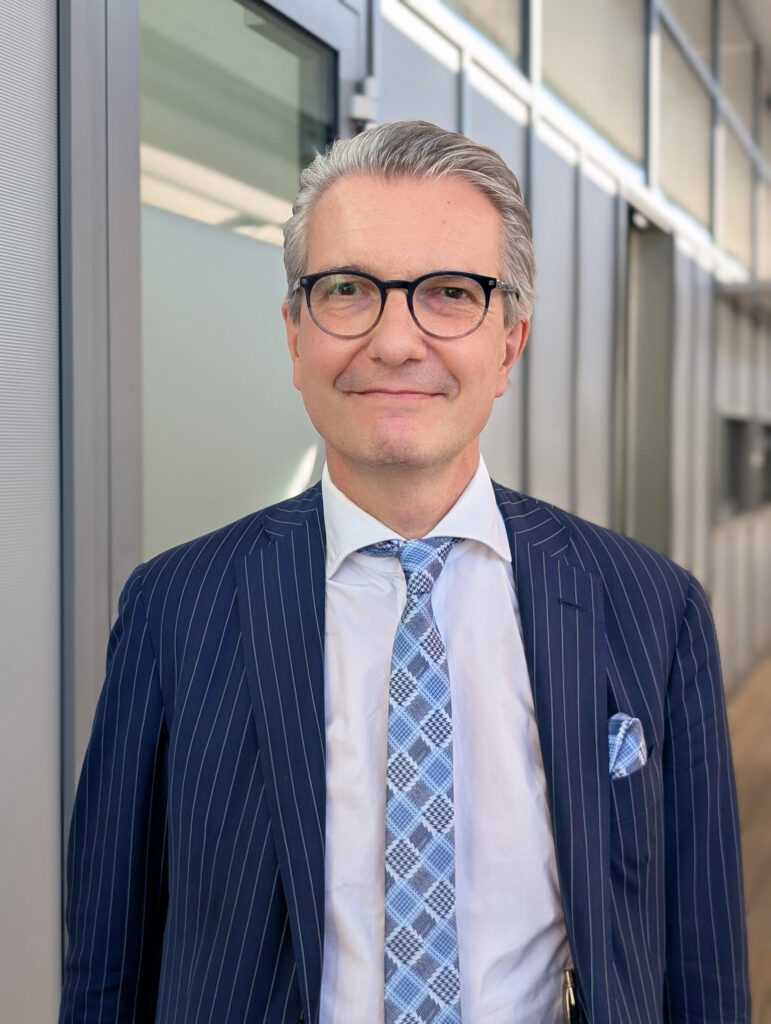
The more digital medicine becomes, the more important interpersonal skills will be.
Willy Oggier, independent health economist
Diagnostics Without Marginal Costs
Medical knowledge was once tied to doctors, equipment, and hospitals. Today, it could become available at any time. For Adam Dorr, Director of Research at the American think tank RethinkX, this is the fundamental change. Something that was scarce for a long time is becoming abundant. Diseases can be detected before they cause symptoms, allowing people to act sooner. Patients are also taking a more active role in managing their health than ever before.
Why Change Takes Time
That is the vision. Oggier tempers expectations. “Technology changes the system. But the system changes much more slowly.” New capabilities rarely replace existing processes immediately. They are often added to them at first. Earlier detection is also likely to mean that more people receive treatment. This improves care, but it does not automatically reduce costs.
By 2035, no one will trust a doctor if AI can make the diagnosis.
Adam Dorr, Director of Research, RethinkX
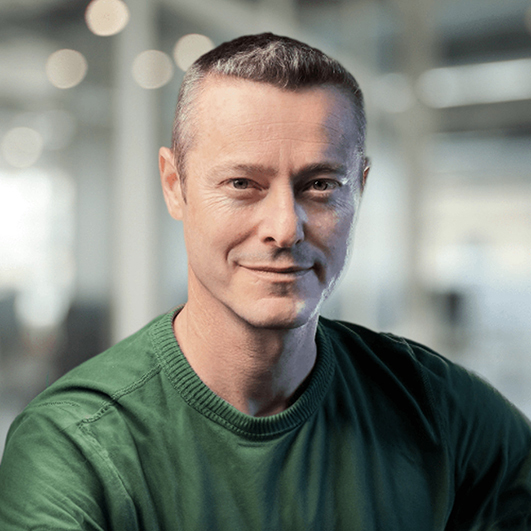
Dorr expects a fundamental shift. Doctors will be needed less for making diagnoses and more for providing guidance and interpreting results. Oggier takes a similar view. “The machine will handle the diagnosis. It will not care for the person.” AI also raises new questions about data privacy and liability. Who is responsible if an automated diagnosis turns out to be wrong?
Where the Future Is Already Beginning
The greatest burden on healthcare systems does not come from rare diseases, but from chronic conditions such as high blood pressure, diabetes, and respiratory diseases. These conditions often become particularly expensive when patients end up in a hospital emergency department. This is precisely where digital applications can make a difference. They send reminders, monitor health, and issue early warnings. The Spanish model demonstrates how healthcare can shift from reacting to illness to preventing it.
What about insurance premiums? Oggier remains realistic. “In an aging society that expects ever more from medical technology, premiums will not fall.” In his view, prevention and early support offer the greatest leverage. Providing people with timely guidance and treating them on an outpatient basis whenever possible can prevent expensive hospital stays and improve care.
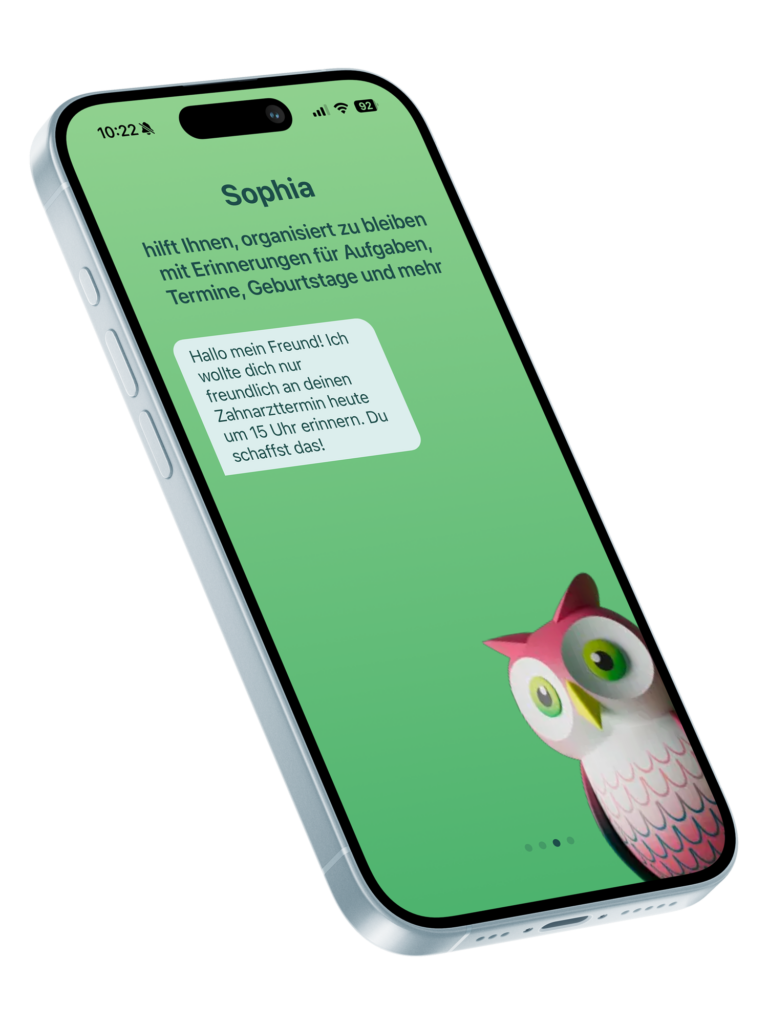
Sophia Care Never Sleeps
Sophia Care is an AI-powered app from Pro Senectute beider Basel. The digital companion reminds users to take their medication, suggests activities, and is available for conversation around the clock. It remembers information, proactively asks questions, and can help reduce loneliness in daily life. Sophia Care has twice received a Bronze award at Best of Swiss Apps.
Dorr looks further ahead. If fewer people become ill, less medical treatment will be required. In the long term, he believes this will also be reflected in costs.
Trust Cannot Be Downloaded
Oggier still carries a physical emergency information card in his jacket. When he tested storing his information digitally, it was not available where it would have been needed in an emergency.
“If everything works together reliably, I will be the first to share my information digitally,” he says.
Dorr believes trust will grow once AI demonstrably produces better outcomes than people. Oggier sees the sequence in reverse: Trust must come first, followed by experience.
This may be where the future of medicine is ultimately decided. Technology may continue to accelerate. Whether it gains widespread acceptance will depend on people’s trust.
Globalance View
Healthcare is one of the major markets of the future. We invest in companies that are advancing the transition toward data-driven, personalized medicine, from medtech solutions for prevention to specialized biopharma companies such as ResMed and Zealand Pharma.
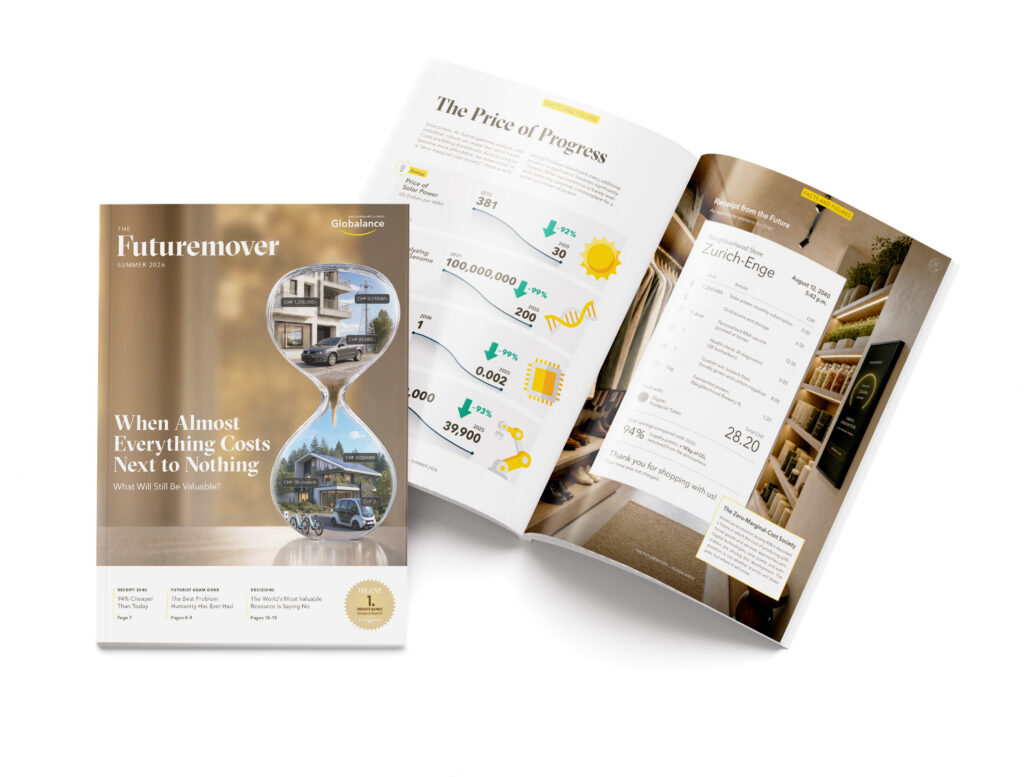
Discover the entire issue
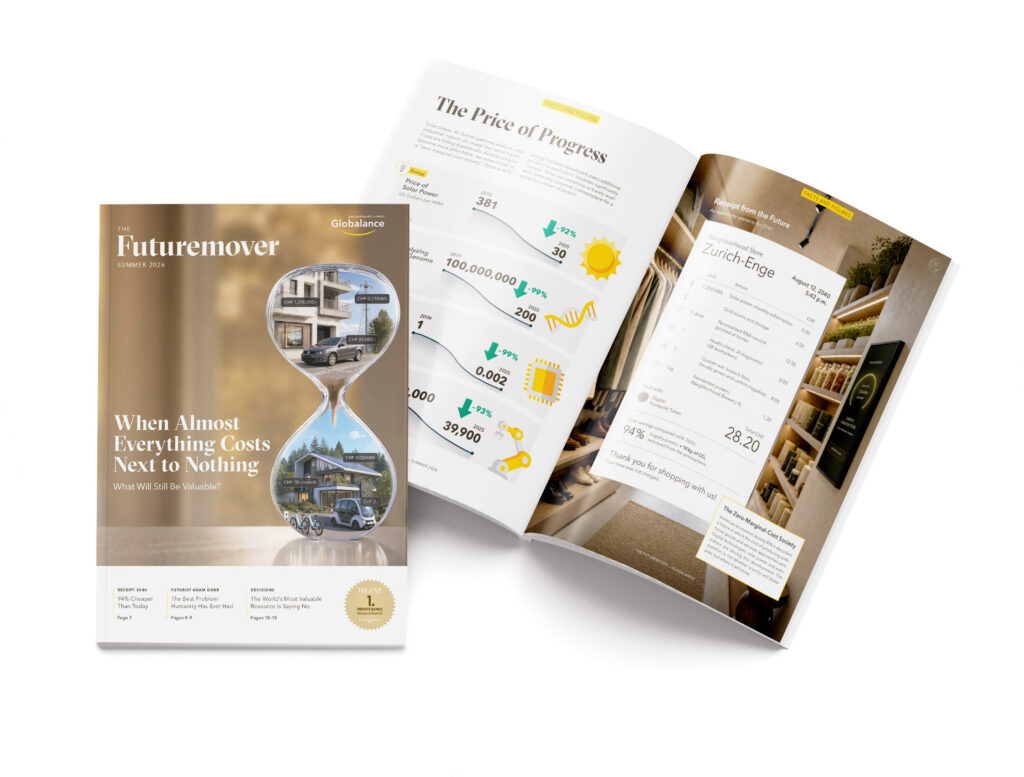
Read more articles from our current issue: ‘When Almost Everything Costs Next to Nothing’.
Be part of the solution and stay informed with the Futuremover.
Subscribe now and shape the future!
Magazin abonnieren EN
"*" indicates required fields